

Gamers expecting a fresh wave of NVIDIA GPUs in 2026 are in for a shock. According to multiple reports, NVIDIA will not release any new gaming graphics cards this year. This marks the first time in almost three decades that the company has skipped a full calendar year of new GeForce launches.
The culprit? A severe global memory chip shortage driven by explosive demand for AI accelerators.
This news comes hot on the heels of the DLSS 5 controversy we covered recently. Once again, the AI boom is putting gamers second. In this in-depth guide, we break down what the skip means, why it's happening, how it affects you, and what you can do about it.
What Happened: NVIDIA's Historic 2026 GPU Skip
In early February 2026, The Information reported that NVIDIA has shelved plans for any new consumer gaming GPUs this year. This includes the anticipated RTX 50 Super refresh (codenamed “Kicker”).
The next major generation, the RTX 60 series, has also been pushed back, with mass production now expected in 2028 rather than 2027.
NVIDIA has not officially confirmed the full skip, but the company has acknowledged tight memory supply and strong demand for GeForce cards while prioritizing AI.
This is a major departure from NVIDIA’s usual annual or bi-annual refresh cycle that gamers have relied on for years.
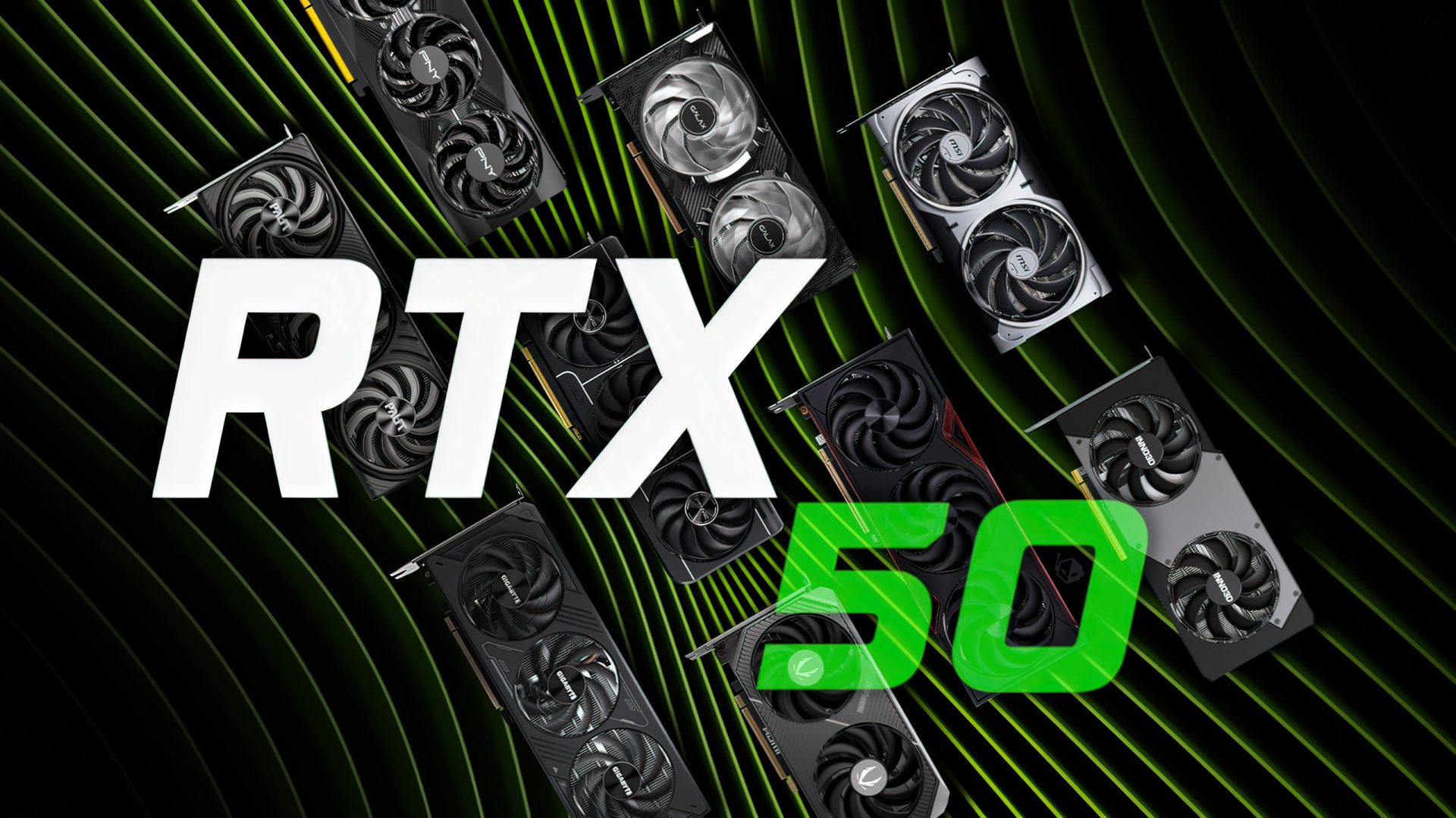
Image credit: Wccftech – Exclusive RTX 50 Series Supply Crisis Explained (wccftech.com)
The Root Cause: AI-Driven Memory Shortage (HBM vs GDDR)
The core issue is memory.
AI data center GPUs require massive amounts of High Bandwidth Memory (HBM). Memory manufacturers like Samsung, SK Hynix, and Micron are allocating the majority of their advanced production capacity to HBM for AI chips because it is far more profitable than the GDDR7 memory used in gaming GPUs.
As a result:
- GDDR supply for consumer GPUs is severely constrained.
- NVIDIA is reportedly cutting production of existing RTX 50 series cards by up to 30-40% in some periods.
- Prices for current high-end cards remain elevated or are rising.
This “RAMageddon” or memory crunch is forcing NVIDIA to choose between feeding the AI gold rush and serving the gaming market.
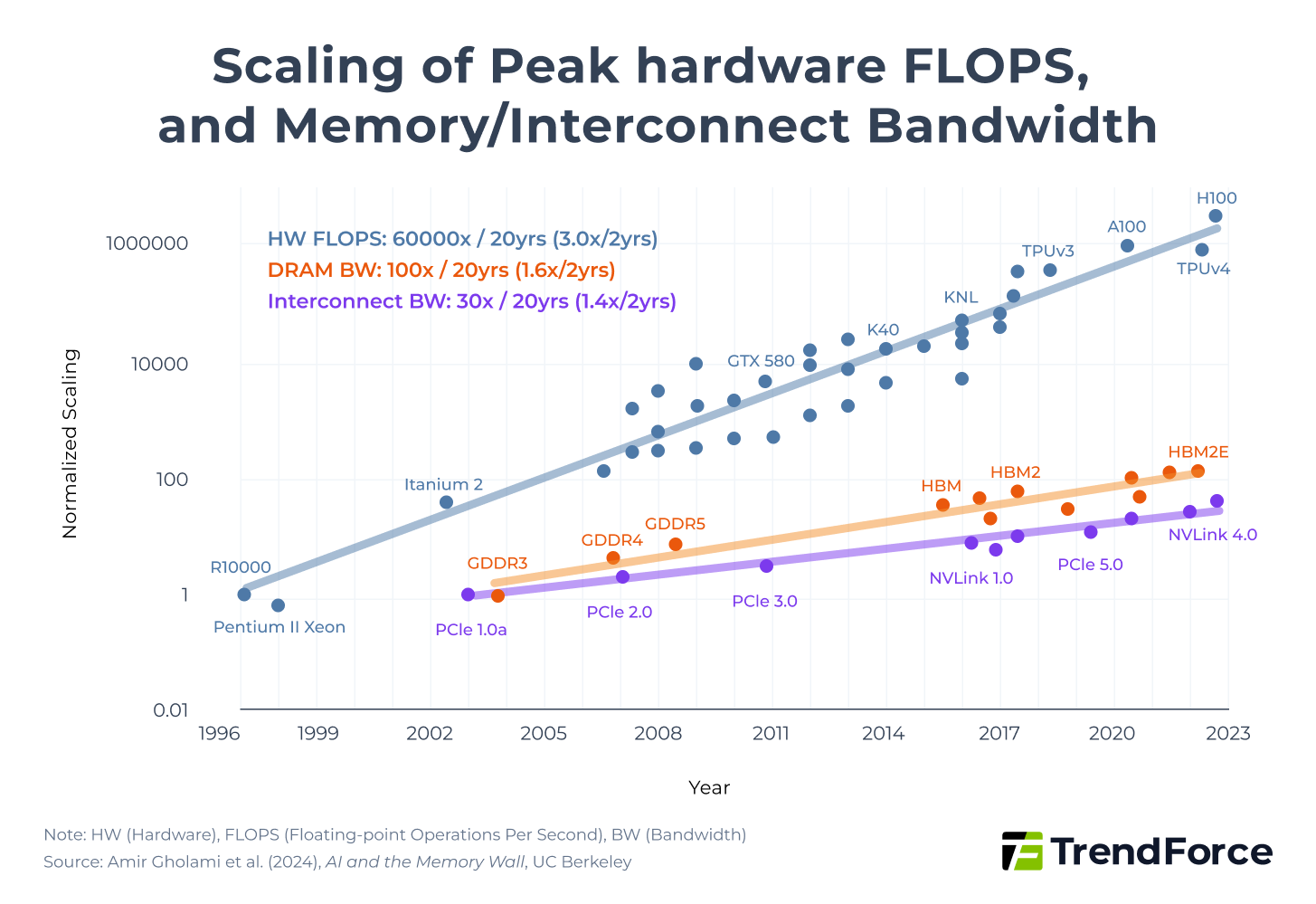
Image credit: TrendForce – Memory Wall Bottleneck: AI Compute Sparks Memory Supercycle (trendforce.com)
How This Affects Gamers in 2026
The lack of new hardware means:
- Higher Prices & Limited Availability: Expect continued premium pricing on RTX 50 series cards. Flagship models like the RTX 5090 are frequently selling well above MSRP.
- Longer Upgrade Cycles: Many gamers will be forced to stick with their current cards for another 1–2 years.
- Increased Demand on Existing Hardware: People pushing older or mid-range GPUs harder to run new games at high settings may see more stability issues.
This is where Outage.gg comes in. With more gamers running aging or overworked hardware, we’re likely to see an uptick in game crashes, driver timeouts, black screens, and performance instability. Our live outage tracker can help you quickly see if issues are widespread or isolated to your setup.
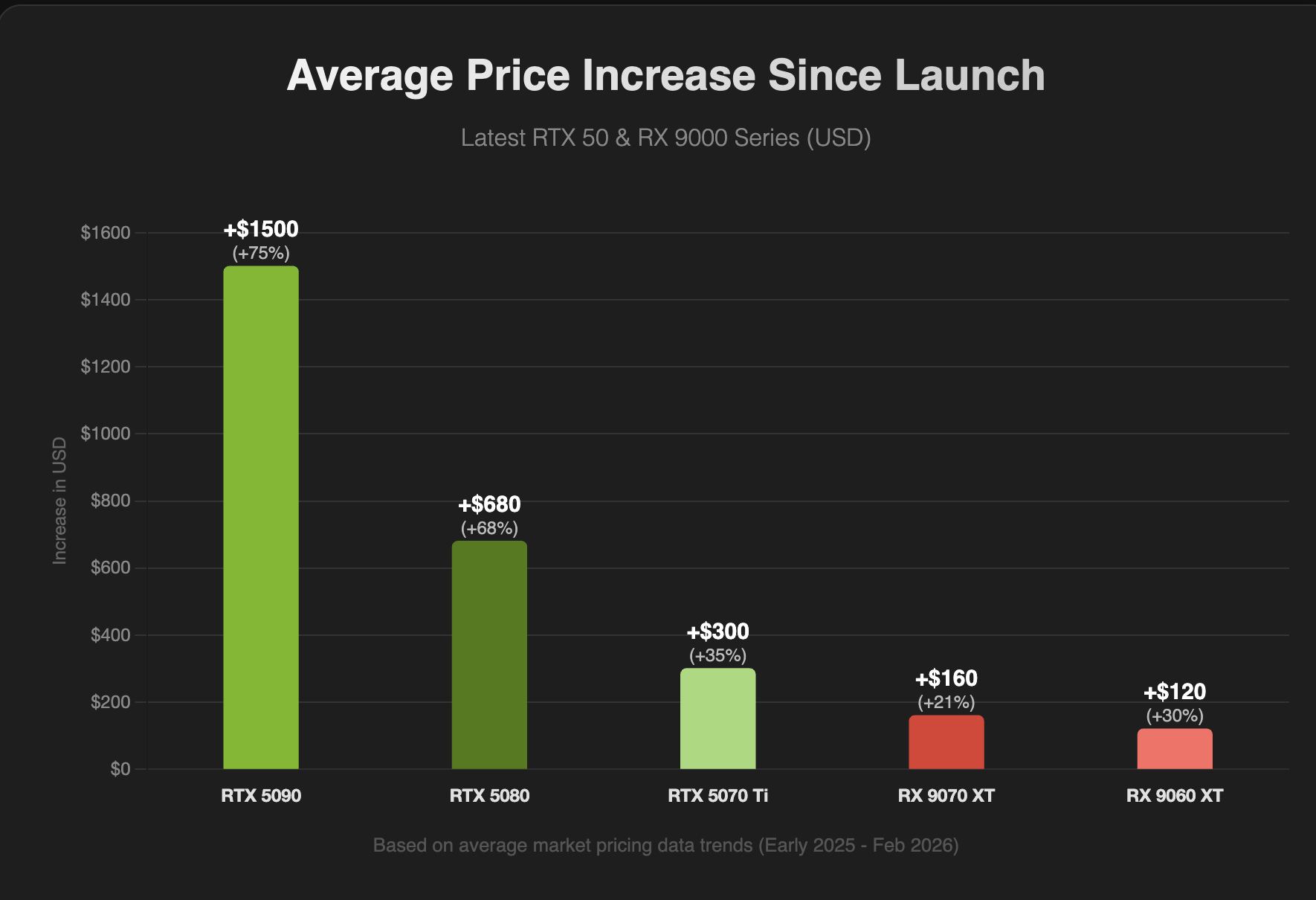
Image credit: Wccftech – AI Has Taken Over the Consumer GPU Market (wccftech.com)
Will Your Current GPU Survive the Shortage?
If you’re on an RTX 40 series or earlier card, the next couple of years could be tough:
- New games will continue to demand more VRAM and compute power.
- DLSS 5 and future AI upscaling features may help, but they won’t fully compensate for raw hardware limitations.
- Overclocking or undervolting to squeeze more performance increases crash risk.
Actionable tips for stability:
- Monitor temperatures and power limits.
- Keep drivers updated (but test new ones).
- Use Outage.gg to check real-time reports for the games you play.
What Should Gamers Do Right Now?
Here are practical options:
1. Buy Smart if You Need a Card Now
Look for deals on RTX 5070 / 5080 level cards that have dipped closer to MSRP. Avoid paying scalper prices on flagships unless you absolutely need the performance.
2. Consider AMD Alternatives
AMD’s RDNA 4 (RX 9000 series) is available and focuses on strong mid-range value. They may not match NVIDIA’s ray tracing or DLSS, but they offer competitive rasterization performance at better prices in some segments.
3. Wait Strategically
If your current GPU is still adequate, waiting for the eventual RTX 60 series or improved memory supply in 2027+ could be wise.
4. Build or Upgrade Other Components
Invest in a better CPU, faster RAM, or storage to get more out of your existing GPU.
5. Monitor the Market
Sign up for price alerts and follow reliable trackers.
The Bigger Picture: AI vs Gaming Hardware
This situation highlights a fundamental shift. NVIDIA’s business has been transformed by AI. Data center revenue now dwarfs gaming revenue. While gamers helped build the company, AI is where the growth and margins are highest.
Many in the community feel this is NVIDIA “abandoning” gamers. The reality is more nuanced — NVIDIA is following the money and the memory allocation reality.
Looking Ahead: When Will New GPUs Arrive?
Most analysts expect the next major NVIDIA gaming GPUs (RTX 60 series) in 2027 or 2028. Memory supply is expected to ease somewhat in late 2026 or 2027 as new HBM production ramps up, but AI demand will likely remain strong.
AMD is expected to continue focusing on competitive mid-range offerings, giving gamers more choices.
Final Thoughts
The NVIDIA 2026 gaming GPU skip is a clear sign of how the AI boom is reshaping the entire semiconductor industry. For now, gamers must adapt: optimize what you have, choose upgrades carefully, and stay informed.
At Outage.gg, we’ll continue tracking not just server outages but the real-world stability issues that arise when hardware is pushed to its limits. If you’re experiencing crashes or performance problems with your current setup, check our live status pages and contribute your reports — it helps the entire community.